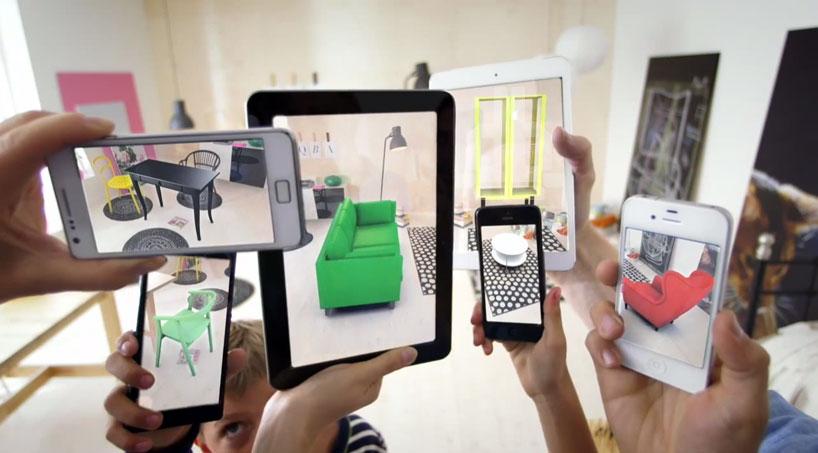
Augmented reality has fundamentally changed how consumers evaluate and purchase products by removing the critical gap between online convenience and the confidence that comes from physically inspecting items. Here are five essential ways AR empowers shoppers to make superior buying decisions:
1. Reduces Uncertainty Through Realistic Product Visualization
One of the primary challenges in online shopping is uncertainty about how products will actually look or function in real-world conditions. AR eliminates this critical pain point by enabling customers to visualize products with near-perfect accuracy before purchase. When customers can see furniture in their living rooms through AR, visualize how clothes drape on their bodies, or preview makeup application on their specific skin tone, they gain a level of confidence impossible through static images.
This realistic visualization is particularly powerful because it addresses multiple dimensions of uncertainty simultaneously. For furniture shoppers, AR shows not just size and color, but how items coordinate with existing décor and spatial flow. For fashion buyers, AR technology maps body dimensions and displays how fabric actually fits, moves, and sits on the individual wearing it—far more informative than seeing a flat image on a model. For beauty consumers, AR adjusts product appearance based on lighting conditions and facial features, accounting for the variables that cause post-purchase disappointment.
Research demonstrates that this uncertainty reduction directly translates to better decisions. When customers can accurately preview products, they’re significantly more confident in their choices, leading to 72% of AR users purchasing items they didn’t plan to buy because the visualization process gave them confidence in their selection.
2. Addresses Specific Pain Points Through Personalized Sizing and Fit
Sizing and fit mismatches represent the leading cause of online returns, with studies showing that 30% of all products ordered online are returned compared to only 8-10% in physical stores. AR technology directly tackles this pain point through advanced body and facial mapping that enables hyper-personalized fit analysis.
Fashion retailers like Nike and Adidas have deployed AR-powered sizing tools that analyze a customer’s body measurements and recommend the perfect size based on their individual physique rather than relying on generic sizing charts. Similarly, eyewear brands like Warby Parker use facial mapping technology to ensure glasses sit correctly on an individual’s unique face shape, eliminating the guesswork associated with buying frames online. For footwear, AR allows customers to visualize shoes on their feet in three dimensions, assessing factors like color coordination, design details, and how items integrate with their personal style.
This personalization extends beyond basic sizing. Machine learning algorithms analyze customer body shapes, facial features, and skin tones to offer recommendations tailored to what will actually work for them rather than generic recommendations. The result is purchasing decisions informed by data specific to the individual, dramatically reducing the likelihood of fit-related disappointment and returns.
3. Alleviates Decision Paralysis and Choice Overload
Online shopping presents customers with overwhelming assortment, leading to decision paralysis that costs retailers 60% of potential sales opportunities. AR combats this through an intuitive, interactive product evaluation method that dramatically simplifies comparison and selection.
Rather than reading through endless product specifications and customer reviews, AR allows customers to directly experience products in a manageable, interactive way. This interactive experience reduces what researchers term “prepurchase cognitive dissonance”—the mental strain caused by evaluating too many similar options with too much conflicting information. By providing visual certainty through AR, customers can quickly and confidently narrow their choices, moving from consideration to commitment.
The reduction in cognitive load is particularly significant in product categories with extensive assortment, such as cosmetics. When faced with hundreds of makeup shades, AR virtual try-on allows customers to see exactly how specific products appear on them personally, making the decision obvious rather than abstract. This clarity eliminates the paralysis that causes shoppers to abandon carts or endlessly browse without purchasing.
Research confirms that this decision-making efficiency translates to behavior: early AR adopters like Overstock.com have reported conversion rate increases of up to 200%, driven largely by customers’ ability to quickly move through consideration phases.
4. Builds Buyer Confidence and Reduces Purchase Anxiety
The psychological impact of AR on purchase confidence cannot be overstated. Studies show that 45% of buyers experience increased confidence with AR features, and 60% of consumers report reduced hesitation during checkout when AR is available. This confidence boost stems from the tangible experience of seeing products in realistic contexts before payment.
This increased confidence manifests in concrete behavioral changes. 40% of shoppers indicate they’re willing to pay more for a product if they can test it through AR, demonstrating that confidence translates to increased spending. Additionally, 71% of consumers state they would shop more frequently if AR options were available, indicating that AR builds long-term purchase patterns. The psychological relief of knowing exactly what you’re purchasing before paying—essentially converting online shopping to a “try-before-you-buy” model—fundamentally changes how confidently consumers approach e-commerce.
This confidence effect is particularly powerful for high-uncertainty categories like fashion, where fit anxiety is a primary barrier to conversion. When shoppers can visualize exactly how an item will look on them, the emotional barrier to completing the purchase dissolves.
5. Prevents Impulsive Mistakes While Enabling Confident Impulsive Purchases
AR presents an interesting paradox: while it reduces impulsive returns by helping customers make informed decisions, it actually increases confident impulse buying. The distinction is critical. Rather than encouraging mindless impulse purchases driven by FOMO or marketing hype, AR-enabled impulse buying is grounded in visual confidence.
When customers use AR to explore products interactively—virtually trying on clothes, rotating furniture, testing makeup—they experience heightened engagement and enjoyment that translates to purchase intent. However, because this engagement is rooted in realistic product visualization, resulting purchases are far more likely to satisfy expectations.
The data clearly illustrates this mechanism. 30-40% of retailers implementing AR report drops of 40% in returns, indicating that while impulse purchases may increase, they’re better-informed purchases less likely to result in disappointment. Simultaneously, 94% higher conversion rates are reported for items advertised with AR, showing that the interactive experience drives committed purchasing decisions rather than regret-driven returns.
This dynamic works because AR increases what researchers call “product presence”—the psychological sensation that you’re actually experiencing the product. This presence creates authentic purchase confidence rather than artificial excitement, resulting in impulse purchases customers actually keep.
Summary Impact
The cumulative effect of these five mechanisms is transformative. Retailers implementing comprehensive AR solutions report conversion increases up to 200% alongside 25-40% reductions in return rates, reflecting the dual impact of increased confidence and improved decision-making. For shoppers, AR transforms e-commerce from a anxiety-inducing gamble into a confident, personalized, and efficient purchasing process that delivers satisfaction both at checkout and after delivery arrives.